What Affects the Cost of Fiberglass Swimming Pools?
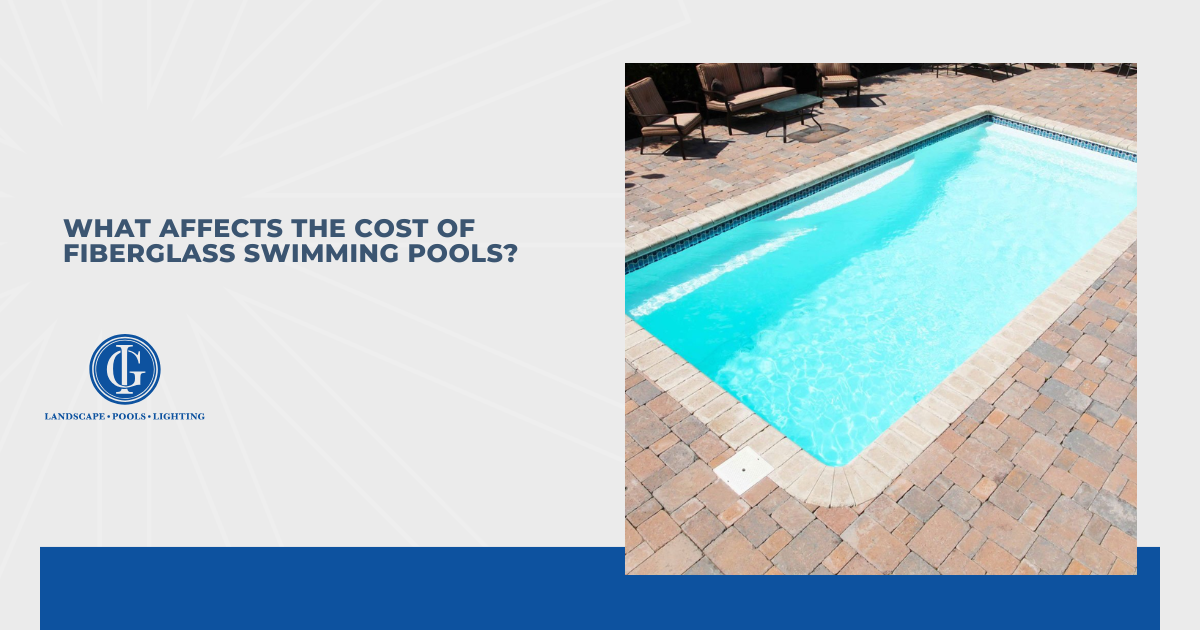
There's a reason so many homeowners gravitate toward fiberglass swimming pools when it comes time to add a pool to their property. They're durable, low-maintenance, and faster to install than concrete alternatives. The smooth, non-porous surface is gentle on skin and resistant to algae, and from what I've seen, few pool types can match the combination of durability, low maintenance, and long-term value that fiberglass consistently delivers.
What might surprise you, though, is how much the cost can vary from one project to the next. Two homeowners can choose the same pool model and end up with very different final numbers. The difference comes down to a combination of factors that are unique to your property, your preferences, and your budget.
Here's a full breakdown of everything that goes into the cost of fiberglass swimming pools, including:
- Pool size and shape
- Site conditions and accessibility
- Pool features and add-ons
- Depth and design complexity
- Filtration and equipment
- Decking and surrounding landscape
- Permits and compliance
- Winterization and climate considerations
The more you understand about what's driving the price, the better equipped you'll be to make a decision you're happy with.
Pool Size and Shape
Size is one of the most straightforward cost drivers when it comes to fiberglass swimming pools, but its impact goes further than you might initially expect. A larger pool means more material, more excavation, more backfill, and more water to fill and maintain. All of those variables add to your overall cost in ways that can compound quickly as dimensions increase.
Standard shapes like rectangles, ovals, and kidney designs tend to be the most affordable because they're produced in higher volumes and follow predictable manufacturing processes. Freeform and custom shapes require more complex molds and more precise installation work, both of which push the price up. The visual appeal of a unique shape is real, but it comes with a cost premium that's worth factoring into your budget early.
It's also worth remembering that size affects more than just the pool itself. A larger pool demands a bigger surrounding deck, more landscaping adjustments, and potentially more extensive permit requirements. Looking at size in terms of the full project scope, rather than just the pool shell, gives you a much more accurate picture of what you're signing up for before any digging begins.
Site Conditions and Accessibility
Before a single shovel hits the ground, the condition of your property has already started influencing how much your fiberglass pool is going to cost. Most people focus on the pool itself and don't think much about what's underneath and around it until the project is already underway. The reality is that your site conditions can have a significant impact on the final cost, sometimes more than the pool shell itself.
Soil type is one area where costs can shift dramatically, and from what I've seen, it's the variable that catches buyers off guard more than almost any other. Rocky or unstable ground requires additional excavation work and in some cases specialized equipment that adds both time and expense to your project. Properties with high water tables present their own set of challenges, often requiring extra drainage solutions to ensure your pool sits correctly and remains stable over time.
Accessibility is another factor worth thinking about early. If your property has wide open access to the backyard, that's a straightforward job for an installation crew. Narrow side gates, low-hanging trees, steep slopes, or fencing that needs to be temporarily removed all add complexity and labor to your project. What looks simple from the outside doesn't always translate to a simple installation once the crew arrives, and that's worth knowing upfront.
Pool Features and Add-Ons
A basic fiberglass pool shell is just the starting point, and chances are it won't stay basic for long once you start exploring your options. The features and add-ons you choose are where your budget can expand significantly, and where your pool really starts to take on a personality of its own. Knowing what's available and what it costs before finalizing your design is one of the best ways to avoid budget surprises later.
Built-in features like steps, benches, and tanning ledges are among the most popular upgrades, and they're worth considering early in your design process since they're part of the pool shell itself rather than something added afterward. These features add comfort and usability to your pool, but they also increase the complexity of the mold and can push the base price of the shell higher. The more elaborate your built-in layout, the more it tends to cost.
Water features like waterfalls, fountains, deck jets, and bubblers add a visual and sensory dimension that you may find well worth the investment. Lighting upgrades, in-floor cleaning systems, and automatic covers are other popular add-ons that enhance both your enjoyment and the functionality of your pool. None of these are necessary, but collectively they can add a substantial amount to your overall project cost, and it's easy to underestimate how quickly the total climbs when you're selecting them one by one.
Depth and Design Complexity
Pool depth is a cost factor that often gets overlooked in your early budget conversations. The deeper your pool, the more excavation is required. More excavation means more time, more equipment, and more expense. The cost difference between a shallow recreational pool and a deeper diving configuration can be more significant than you might expect.
Standard depth pools, typically ranging from three and a half to five feet, are the most common and cost-effective to install. They work well if you have children or if you prioritize lounging and recreation over diving. Moving into deeper configurations requires additional structural considerations to ensure your pool shell handles increased water pressure over time.
Design complexity adds another layer to your equation. A simple rectangular pool is far less complicated to manufacture and install than one with multiple levels, curved walls, or an integrated spa. More complexity in the design means more complexity in the cost, and the two tend to move together. Budget management and good design don't have to be at odds with each other, and a well-planned simple layout proves that point every time.
Filtration and Equipment
The equipment that keeps your fiberglass pool clean, comfortable, and running efficiently is a significant part of your overall project cost. The mechanical side of things tends to get less attention until the quotes start coming in. Understanding what goes into your pool's equipment package upfront makes the budgeting process a lot more straightforward.
Filtration systems are the backbone of any pool setup. Sand, cartridge, and diatomaceous earth filters all come at different price points and have different maintenance requirements. Saltwater systems have become increasingly popular as an alternative to traditional chlorine setups. They cost more upfront, but you may find the water quality and reduced chemical maintenance well worth it.
Pumps, heaters, and automation systems are where your equipment costs can really start to add up. I find this is where the gap between expected and actual costs tends to be widest. Variable speed pumps are more energy-efficient and tend to pay for themselves through lower energy bills over time. Pool heaters extend your swimming season, and automation systems add convenience but also come with a higher price tag.
Decking and Surrounding Landscape
The pool itself is only part of the picture. What surrounds it, the decking, landscaping, and any additional structures, plays a significant role in both the overall look of your finished space and your total project cost. Cutting corners on this part of the budget is one of the most common regrets you'll hear from pool owners after the fact.
Decking material is one of the bigger decisions you'll make in this phase of the project. Concrete is the most affordable and widely used option, while pavers, natural stone, and composite materials all bring a higher level of aesthetic appeal at a higher price point. The size of your deck area also matters, and a larger pool naturally demands more surrounding space to look and function proportionally.
Landscaping, fencing, and privacy screens are additional costs worth factoring into your budget early. Fencing is often a requirement rather than a choice, as most local building codes mandate a safety barrier around residential pools. Retaining walls, grading work, and drainage adjustments may also be necessary depending on your yard's condition. Your full outdoor space works best when treated as a cohesive project rather than a series of separate line items.
Permits and Compliance
Permits are a non-negotiable part of any pool installation, and the associated costs are worth building into your budget from the very beginning. You may already know that permits are required, but understanding what the process actually involves is a different matter entirely. The fees, timelines, and requirements vary by location, but they're rarely insignificant.
Your typical pool installation requires multiple permits covering excavation, electrical work, plumbing, and the pool structure itself. Inspections are required at various stages, and work cannot proceed until each one is signed off. Delays in the permitting process can push back your installation timeline, which is worth accounting for when you're planning around a specific swim season.
Local building codes dictate specific safety requirements that must be met before you can use your pool. Fencing height and gate specifications, drain cover compliance, and electrical bonding requirements are all common mandates that add to your overall cost. Non-compliance can affect your homeowner's insurance coverage and your property's resale value. An experienced installer who knows the local requirements inside and out is one of the most effective ways to navigate this part of the process smoothly.
Winterization and Climate Considerations
Fiberglass pools are well suited to colder climates, but if you're owning one in a state like Ohio, there are additional costs worth understanding upfront. Winterization is the process of preparing your pool for the off-season, and it's not optional in areas where temperatures drop below freezing. Skipping it can lead to serious and costly damage to your pool shell, plumbing, and equipment.
A proper winterization involves balancing your water chemistry, lowering the water level, blowing out and plugging the plumbing lines, and installing a winter cover to keep debris out and protect the surface. It's a recurring annual expense that needs to be factored into your long-term cost of ownership. Opening your pool in the spring typically comes with its own set of service costs as well.
Climate also plays a role in the installation process itself, and from what I've seen, this is a detail that surprises a lot of first-time pool buyers in colder regions. Your installation is typically limited to warmer months, which means your planning and contracting process needs to start earlier than you might expect. A shorter installation window can affect contractor availability and pricing, so building in plenty of lead time is always a smart approach.
Conclusion
The cost of fiberglass swimming pools is shaped by far more than just the pool shell itself. From site conditions and design complexity to equipment, permits, and winterization, every layer of the project contributes to the final number in its own way. Now that you have a clear understanding of these factors, you're in a much stronger position to set a realistic budget, ask the right questions, and move forward with confidence. A well-planned pool project is one of the most rewarding investments you can make for your home, and knowing what drives the cost is the best place to start.

QUICK LINKS
CONTACT INFO
Green Ideas
Hartville, OH
Phone
SCHEDULE A CONSULTATION
Contact us, and we will come out and discuss your project free of charge.