Can Residential Landscaping Maximize Yard Space?
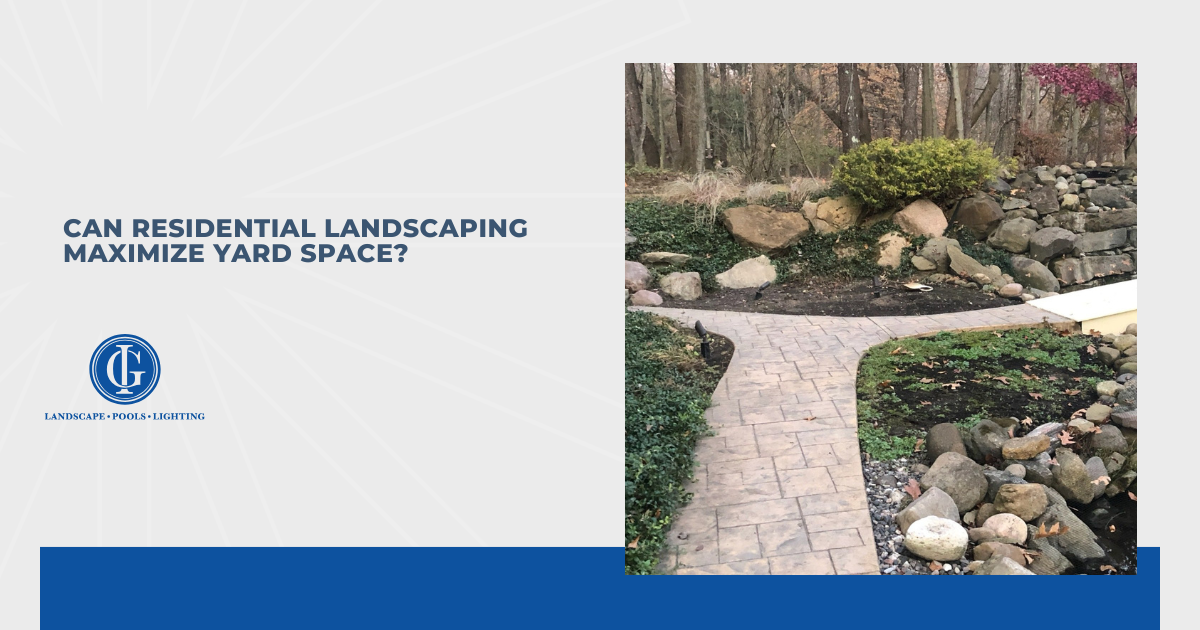
Residential landscaping can absolutely maximize yard space when it’s planned with intention. A well-designed yard can feel open, functional, and comfortable even when the available space is limited. The key is using thoughtful design choices that allow each area of the yard to serve a clear purpose.
In my experience, the most effective residential landscaping designs focus on making every square foot work a little harder. Small adjustments such as layout changes, plant selection, and structural features can reshape how the space is used. With the right approach, your yard can support relaxing, gardening, and gathering without ever feeling cramped.
Here are several residential landscaping tips that can help you maximize the space in your yard:
- Use vertical landscaping to expand usable space
- Create multifunctional outdoor zones
- Choose space-saving plants and trees
- Incorporate smart hardscaping features
- Use curved pathways to create the illusion of more space
- Install raised garden beds for organized planting
- Add built-in seating or storage features
- Use layered landscaping to add depth without taking more space
Keep reading to learn how each of these strategies can help you get more value and enjoyment out of your yard.
Use Vertical Landscaping to Expand Usable Space
One of the first things I look for in a yard is the opportunity to use vertical space. When you guide plants to grow upward instead of spreading across the ground, you add greenery without using valuable yard space. This approach works especially well when space feels limited.
Here are a few vertical landscaping features you can use to maximize usable space:
- Trellises for Climbing Plants: When you install a trellis, you give climbing vines and flowering plants a structure to grow upward rather than spreading across the ground. I often use trellises along fences or walls because they add greenery while keeping planting areas compact.
- Pergolas That Support Overhead Growth: A pergola creates vertical structure that can support climbing plants while also providing shade for patios or seating areas. When you guide plants along the beams, you add greenery above eye level without taking up additional planting space.
- Hanging Planters and Tiered Plant Stands: Hanging containers and tiered plant stands allow you to grow multiple plants in the footprint of a single pot. I’ve found these options work especially well near patios, fences, or entryways where ground space is limited.
When you begin thinking vertically, your yard can support more greenery without sacrificing open space. Vertical features also help add depth and character to the landscape. Over time, this approach can make the entire yard feel more balanced and thoughtfully designed.
Create Multifunctional Outdoor Zones
A yard feels larger when each area serves more than one purpose. Outdoor spaces that support relaxing, dining, and socializing can make better use of the available space. Even a small patio can become a flexible area when the layout is planned with care.
Simple features such as movable seating, small dining tables, or flexible furniture can help you adapt the space depending on the moment. A section of lawn can double as a play area and a casual seating space for gatherings. Multifunctional zones help you use every part of the yard without overcrowding it.
Choose Space-Saving Plants and Trees
Plant selection plays a big role in how open and functional a yard feels. When plants grow too large for the space, they can quickly make the landscape feel crowded. Choosing plants with controlled growth helps you maintain balance while still adding greenery and structure.
Some plants work especially well when you want to maximize space in your residential landscaping:
- Dwarf Trees: When you choose dwarf tree varieties, you can enjoy shade, flowers, or seasonal interest without dealing with an oversized canopy. I often recommend them when you want the presence of a tree but still need room for seating areas or pathways.
- Compact Shrubs: Compact shrubs maintain their shape and rarely spread aggressively. When you use them in garden beds or borders, you can define planting areas without blocking walkways or open spaces,
- Columnar Trees: Columnar trees grow vertically with a narrow profile that takes up very little horizontal space. Their upright shape allows you to add height and visual structure while keeping the surrounding landscape open.
The right plant choices help preserve a sense of openness throughout the yard. When plants stay proportional to the space, it becomes easier to move through the landscape comfortably. This balance helps the yard feel organized while still allowing greenery to stand out.
Incorporate Smart Hardscaping Features
Hardscaping can organize your yard and make it more functional. Features such as patios, stepping stone paths, and low retaining walls help define how different parts of your space are used. Well-designed hardscaping elements guide movement and help reduce unused areas.
When you replace small patches of unused grass with a patio or walkway, the yard often becomes more practical. This type of improvement often gives you a clearer area for seating, walking, or gathering. Hardscaping also creates visual structure that keeps the landscape looking tidy and intentional.
Use Curved Pathways to Create the Illusion of More Space
Curved pathways can subtly change how a yard is experienced. Instead of revealing everything at once, gentle curves encourage you to move through the space gradually. This creates a sense of discovery and makes the yard feel more expansive.
I like to use curved paths to connect patios, gardens, and seating areas. Even a small yard can feel more dynamic when the layout includes gentle turns and visual interest. The pathway itself becomes part of the landscape design rather than just a practical feature.
Install Raised Garden Beds for Organized Planting
Raised garden beds are one of my favorite tools for keeping a yard organized. They create clear planting areas that make gardening easier and more efficient. At the same time, they help prevent plants from spreading into walkways or seating spaces.
You can use raised beds for flowers, herbs, or vegetables depending on what you enjoy growing. They also add visual structure that helps the yard feel clean and intentional. When garden areas are clearly defined, the entire landscape tends to feel more spacious.
Add Built-In Seating or Storage Features
Built-in seating is a great way to save space while adding comfort. Benches along retaining walls or patios can provide seating without taking up extra room. These features often blend naturally into the landscape design.
Storage can also be integrated into benches or planter structures. This helps reduce clutter and keeps tools, cushions, or garden supplies neatly tucked away. When storage and seating are built into the landscape, the yard stays organized and open.
Use Layered Landscaping to Add Depth Without Taking More Space
Layered landscaping creates visual richness while using the same footprint of land. Plants can be arranged in layers that include ground covers, shrubs, and small trees. This approach adds depth and interest without making the yard feel crowded.
When plants are arranged thoughtfully, each layer contributes something unique to the landscape. Low plants soften edges, shrubs add texture, and small trees provide height. Layering can make a yard feel lush and full while still leaving plenty of room to move around.
Conclusion
Residential landscaping can make a surprising difference in how spacious and usable your yard feels. Small design choices such as plant placement, pathways, and vertical features can open up the space more than you might think. Even a few adjustments can make it easier to move through the yard and enjoy spending time outside. In many cases, a well-arranged landscape simply makes the whole space feel more comfortable and inviting.


QUICK LINKS
CONTACT INFO
Green Ideas
Hartville, OH
Phone
SCHEDULE A CONSULTATION
Contact us, and we will come out and discuss your project free of charge.