Essential Inground Swimming Pool Maintenance Tasks for Every Season
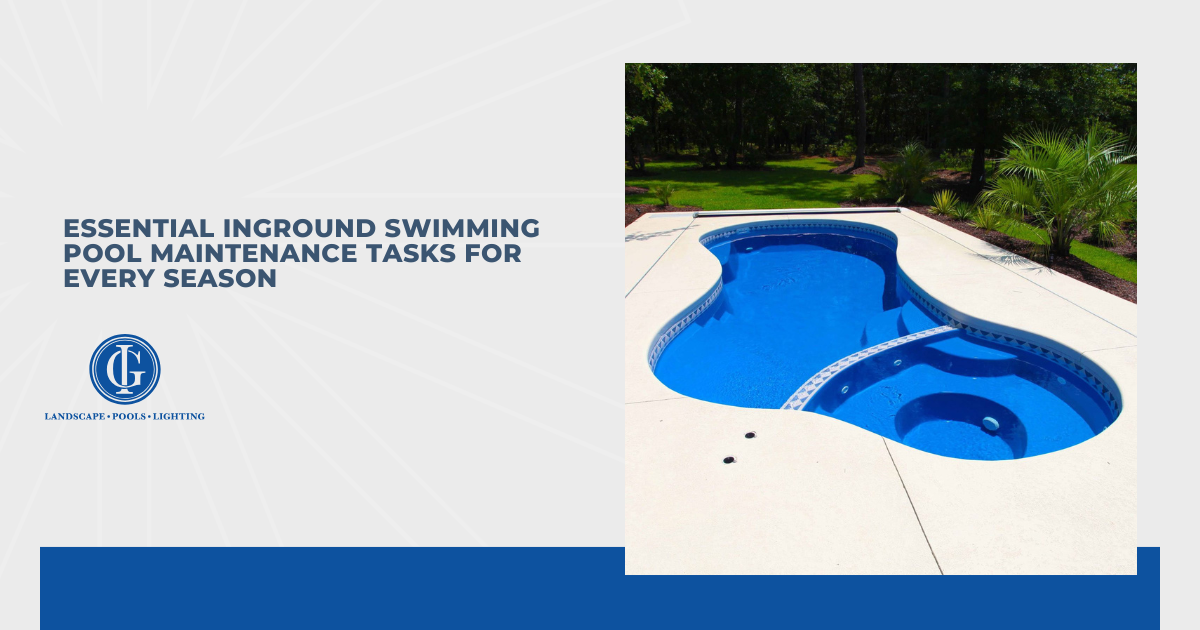
Inground swimming pool owners tend to think about maintenance when something goes wrong, and by then the problem is almost always more expensive and more time-consuming to fix than it would have been to prevent. A pool that's well cared for through every season stays cleaner, runs more efficiently, and lasts significantly longer than one that only gets attention during the summer months. As someone who has seen both ends of that spectrum, the difference almost always comes down to consistency and timing rather than how much money was spent on the pool itself.
Seasonal maintenance isn't complicated, but it does require a clear understanding of what your pool needs at each point in the year and why. Skipping steps in spring leads to water chemistry problems that take weeks to correct. Neglecting fall and winter prep leads to equipment damage and surface deterioration that shows up as expensive repairs come springtime. Pools that stay in great shape year after year are almost always the ones whose owners stayed ahead of each season rather than reacting to problems after they appeared.
Here's a season-by-season breakdown of the essential maintenance tasks every inground swimming pool owner should know:
- Spring: Opening your pool the right way
- Summer: Staying on top of your pool during peak season
- Fall: Preparing your pool for the off-season
- Winter: Protecting your pool through the cold months
- Year-round maintenance habits
Keep reading to find out what each season demands and how to stay ahead of it.
Spring: Opening Your Pool the Right Way
After months of sitting dormant, your inground swimming pool needs more than just a cover removal to be ready for the season. Taking the time to work through these steps properly in spring sets the tone for the entire swim season ahead.
- Remove and store the winter cover.
Pull the cover off carefully, clean it thoroughly, and store it somewhere dry and out of direct sunlight. A cover that's properly stored in spring will be in much better shape when you need it again in fall.
- Inspect and reinstall equipment.
Check your pump, filter, heater, and any other equipment that was winterized or removed for the off-season. Look for cracks, leaks, or damage before turning anything on, and replace worn parts before the season gets underway.
- Check and repair the pool surface. Walk the perimeter and inspect the walls, floor, and tiles for any cracks, chips, or staining that developed over winter. Addressing surface damage early prevents it from worsening through the swim season.
- Balance the water chemistry.
Test the water for pH, alkalinity, calcium hardness, and chlorine levels before anyone gets in the pool. Getting the chemistry balanced from the start prevents algae growth, equipment corrosion, and skin irritation throughout the season.
- Clean the pool thoroughly. Brush the walls and floor, vacuum any debris that settled over winter, and run the filter until the water is clear. A thorough clean at the start of the season makes ongoing maintenance significantly easier through the summer months.
Starting the season with all five of these steps completed means your pool is ready to enjoy from day one rather than spending the first few weeks of summer chasing water chemistry problems.
Summer: Staying on Top of Your Pool During Peak Season
Summer is when your inground swimming pool gets the most use and requires the most consistent attention. Heat, heavy bather load, and prolonged sun exposure all put stress on your water chemistry and equipment in ways that can escalate quickly if they're not managed regularly.
- Test and balance water chemistry weekly.
pH, chlorine, alkalinity, and stabilizer levels all shift faster during summer due to heat, UV exposure, and increased swimmer activity. Testing at least once a week and adjusting as needed keeps the water safe, clear, and comfortable.
- Shock the pool regularly.
Heavy use introduces contaminants that regular chlorine levels can't always keep up with on their own. Shocking the pool weekly or after large gatherings breaks down those contaminants and keeps the water properly sanitized.
- Clean the filter consistently.
A filter working overtime during peak season needs more frequent cleaning than it does during quieter months. Backwash or clean your filter regularly and pay attention to pressure readings that signal it needs attention.
- Skim, brush, and vacuum regularly.
Debris, algae, and buildup accumulate faster in warm weather, and staying on top of it prevents the kind of deep cleaning that takes the pool out of commission. A quick skim and brush a few times a week is all it takes.
- Monitor water level and equipment performance. Evaporation and splash-out can drop your water level significantly during a hot summer, and running the pump with low water damages the equipment. Check the water level weekly and keep an eye on how your pump and filter are performing.
In my experience, the pools that stay in the best condition through summer are the ones whose owners treat weekly maintenance as a non-negotiable. A consistent routine is what keeps small issues from turning into costly ones.
Fall: Preparing Your Pool for the Off-Season
How your inground swimming pool comes through winter depends almost entirely on what you do in fall before the temperatures drop. Most pool owners don't realize how much the closing process affects what they find under the cover come spring, and by then it's too late to do anything about it.
- Test and balance the water. Closing with unbalanced water is one of the fastest ways to damage your pool surface and equipment over the off-season. Check and adjust pH, alkalinity, calcium hardness, and chlorine before anything else gets done.
- Drop the water level. Water left in the skimmer and return lines will freeze and crack the plumbing when temperatures drop below freezing. Lower the water level according to your cover type and your pool's specific setup before closing.
- Drain and winterize the equipment. Your pump, filter, heater, and plumbing lines all need to be completely drained and blown out before winter. Any water left behind is a potential freeze crack that shows up as an expensive repair come spring.
- Add winterizing chemicals. A proper winterizing kit keeps your water from turning green and protects the pool surface from staining and scaling through the off-season. Add the chemicals before closing so they have time to circulate and do their job properly.
- Secure the winter cover. A poorly fitted or loosely secured cover is an invitation for debris, UV damage, and safety hazards throughout the winter months. Take the time to fit it properly and check that it's secure around the entire perimeter before walking away.
A well-closed pool is one that opens cleanly, and everything on this list exists to make sure that's exactly what you get next spring. Plumbing needs and available services vary quite a bit depending on where you live. For example, homeowners on Long Island can turn to local resources like
emergency plumbing in Smithtown, while readers here in Ohio should look for a local provider familiar with the region's freeze-thaw cycles.
Winter: Protecting Your Pool Through the Cold Months
Closing the pool doesn't mean forgetting about it until spring. A few simple checks throughout the winter months are what stand between a pool that opens smoothly and one that's been quietly developing problems under the cover for months.
- Check the cover regularly.
Wind, snow, and ice can shift, tear, or weigh down a winter cover in ways that compromise its effectiveness. Walk the perimeter every few weeks to make sure it's still properly secured and free of standing water or excessive debris buildup.
- Monitor the water level.
Heavy rain and snowmelt can raise the water level above where it should be for winter storage. Check it periodically and pump off any excess water that's pushing up against the cover from below.
- Inspect for equipment damage after freeze events.
A hard freeze can crack equipment or fittings that weren't fully drained during closing. A quick visual inspection after any significant cold snap can catch minor damage before it turns into a major repair.
- Keep the area around the pool clear.
Snow and ice accumulation around the pool deck and equipment area creates hazards and puts unnecessary weight and pressure on the surrounding structure. Clear heavy snow from the cover and keep the equipment area accessible throughout the winter.
- Document any issues you notice. Winter is a good time to make a list of anything that needs attention before opening day, from surface staining visible through the cover to equipment that needs servicing. Having that list ready in spring means opening day stays on track rather than turning into a discovery process.
Winter maintenance doesn't demand much, but staying minimally engaged with your pool through the cold months is what keeps small issues from compounding into bigger ones by the time spring arrives.
Year-Round Maintenance Habits
Most seasonal pool problems trace back to habits that were skipped or inconsistent year-round, and after years in this industry, I've seen that pattern play out more times than I can count. These are the tasks worth building into your routine regardless of the season:
- Test the water regularly.
Water chemistry doesn't take a break between seasons, and regular testing is the only way to catch imbalances before they cause visible problems. Keep a reliable test kit on hand and make testing a habit rather than a reaction to something going wrong.
- Inspect the equipment monthly.
Pumps, filters, heaters, and automation systems all benefit from a regular visual check that catches early signs of wear, leaks, or unusual performance. Catching a minor issue early almost always costs significantly less than addressing it after it's had time to develop.
- Keep the pool area clean.
Leaves, dirt, and debris that accumulate around the pool deck find their way into the water and add to the filtration and chemical load. A clean pool area means less work for your equipment and fewer adjustments to your water chemistry.
- Check and maintain water level.
A consistent water level keeps your skimmer working properly and protects your pump from running dry. Make a habit of checking the level whenever you're near the pool, regardless of the season.
- Keep records of maintenance and repairs. A simple log of water chemistry readings, equipment servicing, and repairs gives you a clear picture of your pool's history and makes it easier to spot patterns before they become problems. It's also invaluable if you ever need to make a warranty claim or sell the property.
Consistency is what separates a pool that's always ready to enjoy from one that requires constant intervention to stay functional.
Conclusion
A pool that's well maintained through every season is one that's always ready when you want to use it, and rarely surprises you with problems that could have been avoided. The difference between a pool that feels like a luxury and one that feels like a liability almost always comes down to whether the owner stayed ahead of what each season required. None of the tasks covered here are particularly time-consuming on their own, but the cumulative effect of doing them consistently is a pool that performs better, lasts longer, and costs less to maintain over time. Your inground swimming pool is one of the most significant investments in your home, and treating it that way through every season is what protects that investment for the long haul.


QUICK LINKS
CONTACT INFO
Green Ideas
Hartville, OH
Phone
SCHEDULE A CONSULTATION
Contact us, and we will come out and discuss your project free of charge.