How To Winterize an Inground Swimming Pool for the Off Season
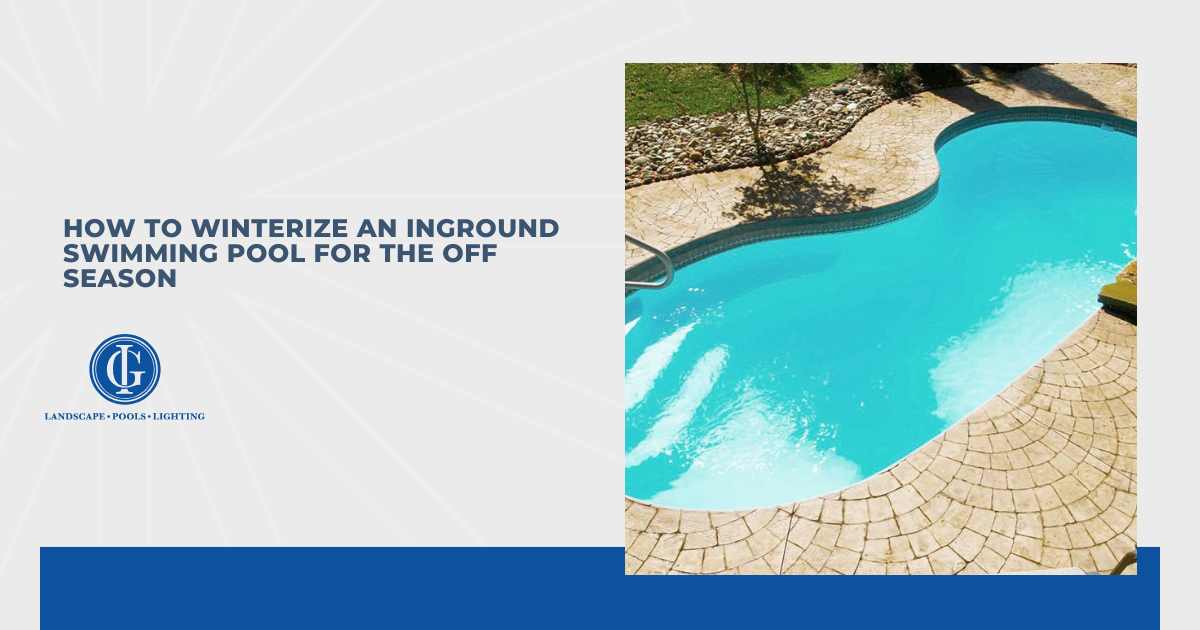
Getting an inground swimming pool ready for the off season is essential to keeping it in good condition. Cold weather, freezing water, and debris can cause serious damage if the pool isn’t properly closed. I’ve learned that a few hours of preparation before winter can save time, money, and frustration when it’s time to open again.
Winterizing your pool isn’t complicated when you follow a clear process. It’s about cleaning thoroughly, balancing the water, and protecting the equipment from freezing temperatures. With the right approach and a bit of care, your pool will stay safe, clean, and ready to enjoy when warm weather returns.
Here’s how I recommend winterizing an inground swimming pool to keep it protected and worry-free all season long.
- Clean the pool thoroughly
- Test and balance the water chemistry
- Lower the water level
- Drain and protect pool equipment
- Add winterizing chemicals
- Install the pool cover securely
- Store accessories and equipment properly
- Do a final inspection before closing
Each of these steps helps protect your pool from winter damage and makes reopening in spring faster and easier. Let’s go through the process of winterizing an inground swimming pool the right way.
Clean the Pool Thoroughly
The first step in winterizing an inground swimming pool is giving it a complete cleaning. Any debris left behind can cause stains, algae growth, or cloudy water by the time spring arrives. A clean pool helps chemicals work more effectively and ensures that your water stays balanced through the colder months.
I start by skimming the surface to remove leaves and twigs, then brush the walls and floor to loosen any dirt or buildup. After that, I vacuum the pool carefully, paying attention to corners and steps where debris tends to collect. It’s also a good time to empty the skimmer baskets and backwash the filter to make sure everything runs smoothly.
Once the pool looks clear, double-check that no debris is left floating or sitting along the waterline. Taking the time to clean thoroughly now prevents major maintenance issues later and sets a solid foundation for the rest of the winterizing process.
Test and Balance the Water Chemistry
Once the pool is clean, the next step is to balance the water. Proper chemistry protects the surface, plumbing, and equipment throughout the winter. If the water is too acidic or too basic, it can corrode metal fixtures or cause scale buildup that becomes difficult to remove later.
Begin by testing the water with a reliable kit and adjusting each level to fall within the ideal range. The pH should sit between 7.4 and 7.6, total alkalinity between 100 and 150 parts per million, and calcium hardness around 200 to 400 parts per million. I make sure these numbers are right before moving forward, because once the pool is closed, any imbalance becomes harder to correct.
Adding a chlorine shock treatment at this stage helps eliminate bacteria and organic matter before covering the pool. Balanced water holds its clarity longer, which makes opening the pool in spring much faster and far less stressful.
Lower the Water Level
After the water is balanced, the next step is lowering it to prepare for winter. Freezing temperatures can cause water to expand and put pressure on tiles, fittings, and the pool structure. Lowering the level protects everything from cracking or shifting once temperatures drop.
The water should sit just below the skimmer or tile line, depending on the type of pool and cover. Solid covers work best with a slightly lower level, while mesh covers can sit a bit higher since they allow drainage. Once that’s set, I use a submersible pump to remove the excess water evenly, which helps avoid over-draining or creating uneven pressure.
Before moving on, check that the remaining water is clean and chemically balanced. The right level supports the cover, protects the pool’s surface, and keeps everything stable until spring.
Drain and Protect Pool Equipment
Pool equipment is especially vulnerable to freezing temperatures, so draining and protecting it properly is one of the most important parts of winterizing. Water left inside pumps, filters, or heaters can freeze, expand, and cause cracks that lead to expensive repairs. Taking the time to remove that water now keeps everything in good condition for next season.
Start by turning off the system and disconnecting the pump, filter, and heater. Open all drain plugs and let the water flow out completely. I also make sure to blow out the plumbing lines using a shop vac or air compressor to remove any remaining water, then seal the openings tightly. For added protection, you can pour pool-safe antifreeze into the lines before closing the valves.
Once everything is dry, store plugs, fittings, and small parts together so nothing gets misplaced. Cover exposed equipment or move it indoors if possible. These extra steps go a long way in preventing damage and ensuring that the pool starts up smoothly in the spring.
Add Winterizing Chemicals
Before closing the pool, treating the water is one of the most important steps. Even in cold temperatures, bacteria and algae can still grow, leaving the water cloudy or discolored by spring. The right combination of chemicals protects the surface, maintains balance, and saves time when reopening.
Start with a chlorine shock to eliminate any lingering contaminants. Once that’s circulated, add an algaecide to prevent growth and a stain and scale prevention product to keep the walls clear of mineral buildup. Add each product separately, giving it time to disperse before moving to the next. This helps each treatment work properly without interfering with the others.
When the chemicals are fully balanced, test the water one last time to confirm safe levels. This extra step ensures that your pool stays protected all winter instead of developing stains or algae blooms under the cover. With the water properly treated, the pool is now ready for the next stage of winterizing.
Install the Pool Cover Securely
Once the water is treated, it’s time to close the pool for the season. A durable, well-fitted cover keeps debris out, blocks sunlight, and helps maintain water quality until spring. Choosing a cover that fits tightly is key to preventing damage and keeping the pool protected through the cold months.
Solid safety covers provide the strongest protection, while mesh options allow rain and melted snow to drain through easily. The cover should sit flat, pulled evenly across the surface so it doesn’t sag or collect water. Make sure the anchors are secure and evenly tightened to avoid gaps around the edges that could let debris or animals in.
Give the entire setup a final check before calling it done. Removing ladders, rails, and nearby accessories keeps everything safe from wear and tear. A few minutes spent adjusting and tightening now saves hours of cleaning and maintenance when it’s time to reopen in spring.
Store Accessories and Equipment Properly
Once the pool is covered, the next step is to take care of everything that surrounds it. Accessories, tools, and removable parts can easily wear out or get damaged if they’re left outside through the winter. Storing them properly protects your equipment and makes reopening the pool in spring much easier.
Gather ladders, skimmer baskets, hoses, toys, and cleaning tools, then rinse and dry each item before putting it away. Moisture left behind can lead to rust or mildew. I store smaller pieces in labeled containers so nothing goes missing and keep them in a dry area, such as a shed or garage. Larger equipment, like pumps or filters, can be covered for protection if they stay outdoors.
Take a few extra minutes to inspect everything as you store it. Look for wear, cracks, or parts that may need replacing before next season. Staying organized now saves time later and helps ensure that every component is ready when it’s time to open the pool again.
Do a Final Inspection Before Closing
The last step in winterizing an inground swimming pool is a thorough inspection. It’s the final check that ensures everything is secure, clean, and ready to withstand the cold months ahead. A few extra minutes spent here can prevent major issues when it’s time to open again in spring.
Walk around the entire pool area and look for anything that might have been overlooked. Check the cover to make sure it’s tight, the anchors are secure, and there are no gaps along the edges. Confirm that the equipment is fully drained and that electrical connections are safely turned off. I also make sure all tools, chemicals, and accessories are stored away from moisture and sunlight.
Before leaving the pool for the season, take one last look at the water level and surface. Everything should appear even, stable, and protected. Once you’re confident the pool is properly sealed and secured, you can rest easy knowing it’s ready to handle winter without any problems.
Conclusion
Winterizing an inground swimming pool takes a little time, but it’s worth every step. When the pool is cleaned, balanced, and securely covered, it stays protected from freezing temperatures and potential damage. I view this process as an act of prevention that saves time, money, and stress when warmer days return. A properly closed pool opens clear, safe, and ready to enjoy without extra work. With care and consistency, every pool can stay in great shape, no matter how harsh the winter may be.


QUICK LINKS
CONTACT INFO
Green Ideas
Hartville, OH
Phone
SCHEDULE A CONSULTATION
Contact us, and we will come out and discuss your project free of charge.