5 Questions to Ask Before Choosing a Fiberglass Pool Installer
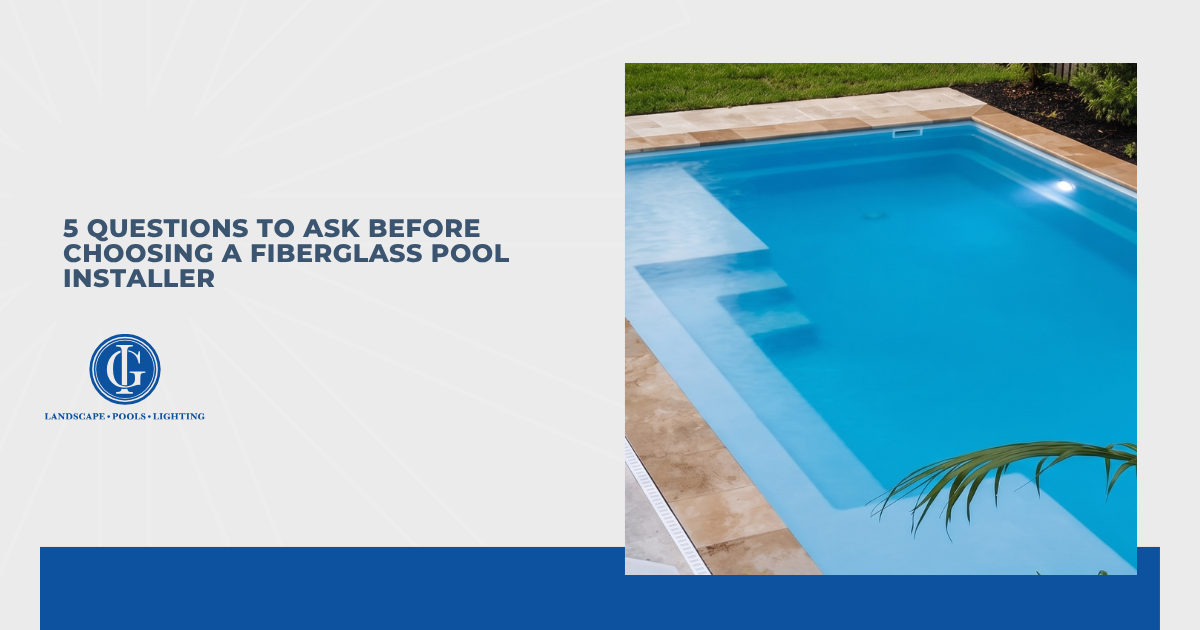
A new pool can look picture-perfect once the patio is finished and the landscaping fills back in, but some of the decisions that matter most are already hidden underground by then. Excavation, base preparation, leveling, plumbing, backfilling, and drainage all play a part in how fiberglass pools perform after installation. I’ve seen how choices made while a site is still open can affect what happens around the pool long after the project looks complete. That’s why I advise looking just as closely at who will install your pool as the shell, shape, and features you’re considering.
Your property has a say in the project too. Here in Ohio, an installer may need to account for soil conditions, groundwater, drainage patterns, slopes, equipment access, and the freeze-thaw cycles that come with our seasons. When I look at a property for a pool project, those are some of the conditions I want to understand before excavation begins because they can influence how the site needs to be prepared and managed. A knowledgeable installer should be able to explain those decisions in terms you can understand instead of giving you a generic answer about how they handle every backyard.
The questions you ask before signing a contract can reveal how deeply an installer understands fiberglass pools and the work required to install them correctly. Pay particular attention to how clearly and specifically they can answer these five:
- How much experience do you have installing fiberglass pools?
- What does your installation process include?
- How will you handle drainage, groundwater, and my site conditions?
- What warranties apply to the pool and the installation?
- What will the project cost, and what could change the final price?
We’ll begin with experience, because knowing how to excavate a backyard isn’t the same as knowing how to install a fiberglass pool correctly.
1. How Much Experience Do You Have With This Type of Pool Installation?
General excavation or pool construction experience doesn’t automatically translate into fiberglass expertise. Unlike a concrete pool that takes shape on-site, a fiberglass shell arrives manufactured and has to be excavated for, placed, leveled, plumbed, and backfilled correctly. On installations I’ve worked around, I pay especially close attention to how the shell is supported and leveled because you don’t want to treat those steps as routine dirt work. An installer should understand the manufacturer’s requirements as well as the practical realities of getting a large shell safely into a prepared excavation.
When you ask about experience, go beyond “How many years have you been installing pools?” Ask how many fiberglass pools the contractor has installed, how recently they completed one, and whether they regularly work with the manufacturer or shell you’re considering. Photos of completed projects are useful, but ask to see installations at different stages too, since much of the important work disappears once the project is finished. References from past projects can add useful context, especially when you ask how the crew handled communication, site complications, and follow-up.
A strong answer should give you specifics rather than a broad claim that the contractor has “done plenty of them.” I put more weight on an installer who can explain what they’ve encountered, what they watch for, and how those lessons affect the way they handle the next project. That kind of detail helps you distinguish firsthand fiberglass experience from general construction knowledge.
2. What Does Your Installation Process Include?
Two estimates for fiberglass pools can show similar totals while covering very different amounts of work. Before you compare prices, ask each installer to explain exactly where their responsibility begins and ends. Excavation and shell placement may be obvious, but base preparation, plumbing, backfilling, electrical coordination, drainage, grading, decking, hauling excess soil, and cleanup can create major differences between proposals. My preference is to walk homeowners through the sequence of work rather than reduce an installation to a short list of line items.
Pay close attention to how the contractor describes the stages you won’t see once the project is complete:
- Base Preparation: Ask what material will support the shell, how the base will be prepared, and how the installer checks elevation and level before placement.
- Shell Placement: Find out how the pool will reach the excavation, particularly when fences, trees, structures, slopes, or narrow access points complicate equipment movement.
- Plumbing and Backfill: Ask how plumbing lines will be installed and supported, what backfill material will be used, and how filling the pool will be coordinated with backfilling around the shell.
- Site Completion: Clarify who handles grading, excess soil, equipment connections, decking preparation, cleanup, and any restoration included in the agreement.
I’d be cautious when an installer can describe the finished backyard in detail but stays vague about what happens between excavation and completion. You should come away from the conversation knowing what the quoted installation covers, what requires another contractor, and which items could create an additional charge.
3. How Will You Handle Drainage, Groundwater, and My Site Conditions?
Your backyard should influence the installation plan before the first bucket of soil comes out of the ground. Grade, soil composition, groundwater, runoff patterns, nearby structures, and equipment access can all affect how an installer approaches fiberglass pools. Ohio adds seasonal considerations as well, including wet periods and recurring freeze-thaw cycles. A contractor who understands the site should be able to explain which conditions matter on your property rather than reciting the same installation plan for every yard.
When I assess a pool site, one of the first things I want to understand is where water naturally comes from and where it has somewhere to go. Surface runoff shouldn’t simply collect around the pool area, and groundwater deserves attention because water outside the shell can create pressure that needs to be properly managed. Ask what the installer sees on your property, what drainage provisions they recommend, and how those measures will function after the surrounding area is finished. Their explanation should connect the solution to conditions they can actually identify on your site.
Sloped yards deserve the same site-specific thinking. Changes in elevation may affect grading, retaining needs, deck design, drainage, and the amount of soil that has to move during excavation. From a contractor’s standpoint, I’d rather identify those complications while planning the job than treat them as surprises after excavation begins. A detailed site discussion gives you a better sense of whether the installer is planning around your property or simply adapting a standard approach as problems arise.
4. What Warranties Apply to the Pool and the Installation?
A long warranty can sound reassuring, but the number of years on the page doesn’t tell you everything you need to know. With fiberglass pools, the manufacturer may provide coverage for the shell while the installer separately covers workmanship or certain parts of the installation. Those responsibilities aren’t interchangeable. Before signing anything, find out exactly who stands behind each part of the project and what happens when a problem involves more than one component.
I always encourage homeowners to read the warranty itself rather than rely on the shortened version discussed during a sales conversation. Look closely at:
- what structural shell coverage includes
- how surface or finish issues are treated
- what installation workmanship is covered
- whether plumbing-related problems have separate terms
- which maintenance requirements must be followed
- what exclusions or limitations apply
- who you contact first when you need warranty service
Pay particular attention to the process for making a claim. A warranty has much more practical value when you know who evaluates the issue, who coordinates with the manufacturer when necessary, and which costs remain your responsibility. What matters to me is accountability after the backyard is finished, not simply how impressive the warranty sounds before the contract is signed. Get the terms in writing so you can compare actual coverage rather than relying on promises that could be interpreted differently later.
5. What Will the Project Cost, and What Could Change the Final Price?
The lowest number on an estimate doesn’t necessarily represent what you’ll spend by the time the pool is usable and the yard is put back together. Pricing for fiberglass pools can include the shell and basic installation while leaving other work, materials, or site complications outside the initial figure. I like to separate the known costs from the variables that can’t be confirmed until we understand the property more fully. Doing so gives you a much more useful number to compare.
Ask the installer to identify what the quoted price includes and what could trigger an additional charge. Difficult access, unexpected rock, unsuitable soil, groundwater, extra drainage, hauling, electrical work, decking changes, retaining work, or additional site restoration can all affect the final amount. Some underground conditions genuinely can’t be confirmed until excavation exposes what lies below grade, but the contract should still explain how those situations will be handled. You shouldn’t have to guess which parts of the finished project are included in the original price.
You should also ask how changes get approved. My advice here is simple: know how an unexpected condition becomes a change order before one actually happens. A clear process should give you an explanation of the issue, the proposed solution, and the additional cost before extra work moves forward whenever circumstances allow. Comparing installers this way shifts the conversation away from who offers the smallest opening number and toward who gives you the clearest picture of what the complete project may require.
Conclusion
The installer you choose can affect your pool project long after the excavation equipment leaves your yard. When comparing contractors for fiberglass pools, look beyond finished photos and ask how they handle installation, site conditions, warranties, and unexpected costs. I’d rather see you ask another question now than uncover an important omission after excavation begins. Specific answers can show you whether an installer understands both the pool and the property surrounding it. Use those answers to compare contractors based on how they plan and perform the work, not simply on price or promises.


QUICK LINKS
CONTACT INFO
Green Ideas
Hartville, OH
Phone
SCHEDULE A CONSULTATION
Contact us, and we will come out and discuss your project free of charge.